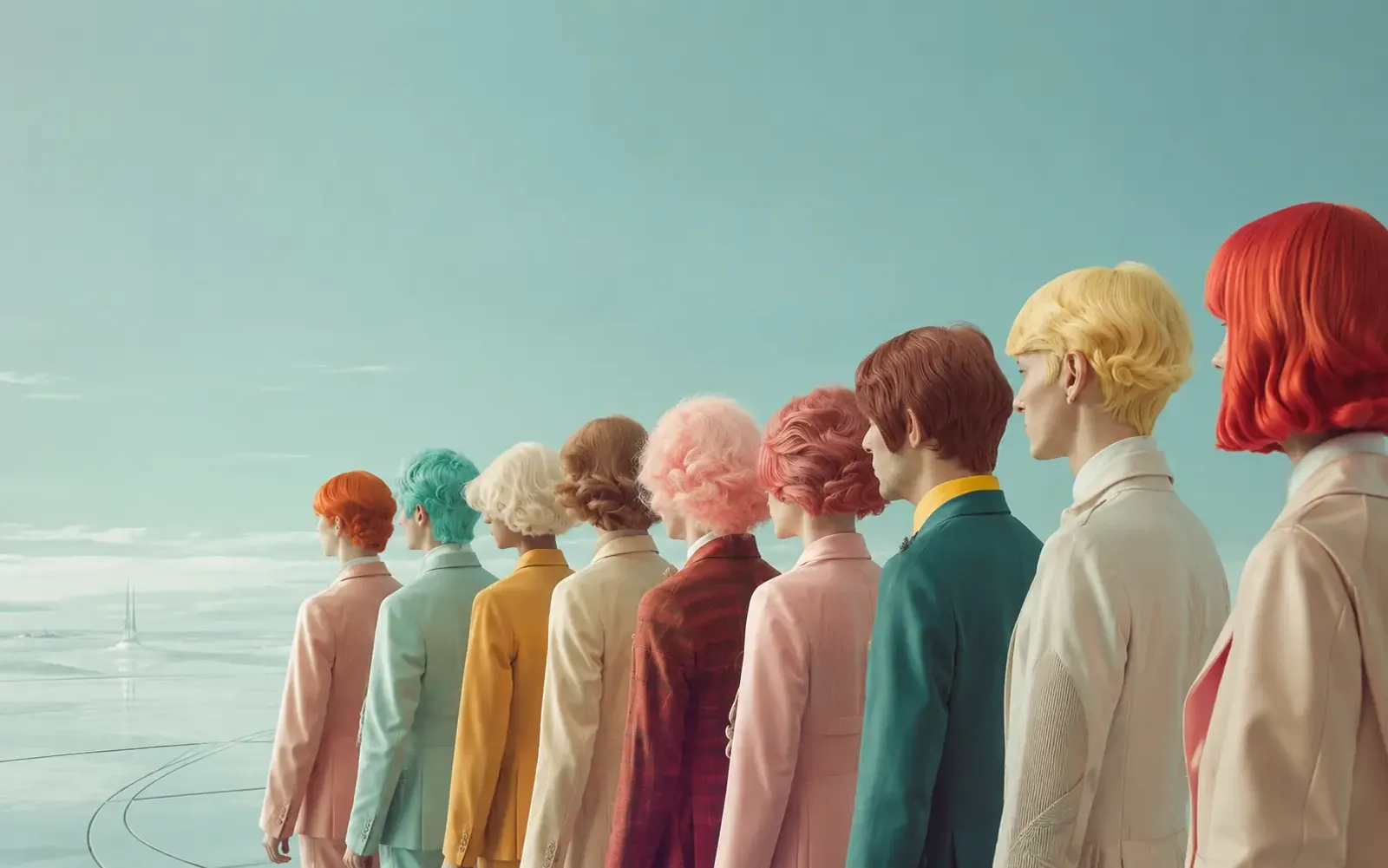
AI will not steal your taste. It will offer to carry it, which is more tempting.
Choosing is tiring. Soon a machine will know the songs, clothes, films, and ideas you prefer before you can name them. It will serve them without pause.
That is useful. It is also how taste goes soft.
Taste becomes the scarce thing
When anyone can make anything, making is no longer the prize. Judgment is.
The best curators will not merely give us more of what we liked yesterday. They will surprise us, risk our attention, and show us something we might have missed. Good taste has always required a point of view. AI will make that fact impossible to ignore.
The machine can arrange the shelf. Someone still has to decide what belongs on it.
A life can happen on a screen
We will spend more of our lives in places that have no street address. The light will be artificial. The memory will not be.
If a digital friendship changes you, was it less real? If a simulated world gives you courage, grief, or love, did you fail to live?
Perhaps not. But immersion is not meaning. Meaning asks something of us. It has stakes, sacrifice, and other people who can say no.
A perfect digital world may hold our attention forever and still leave us empty. The test is simple: what do you bring back?
Who pays the electrician?
People say the trades are safe. Wires still burn. Pipes still break. A robot cannot reach every old house.
But if AI removes millions of office jobs, who pays the electrician?
This is the part the productivity charts leave out. A society can produce more and sell less because the customers lost their salaries. Wealth without circulation is a locked room.
Universal basic income may sound like charity today. Tomorrow it may be plumbing, the pipe that moves machine-made abundance back into human hands.
AI can write the memo, choose the song, and build the room. It cannot decide what we owe one another when efficiency wins.
That work is still ours.